

50 Years of Deadly. Five events that kept the momentum going
This July observes 50 years since the formal establishment of NAIDOC Week, an annual celebration of Aboriginal and Torres Strait Islander histories, cultures and achievements.
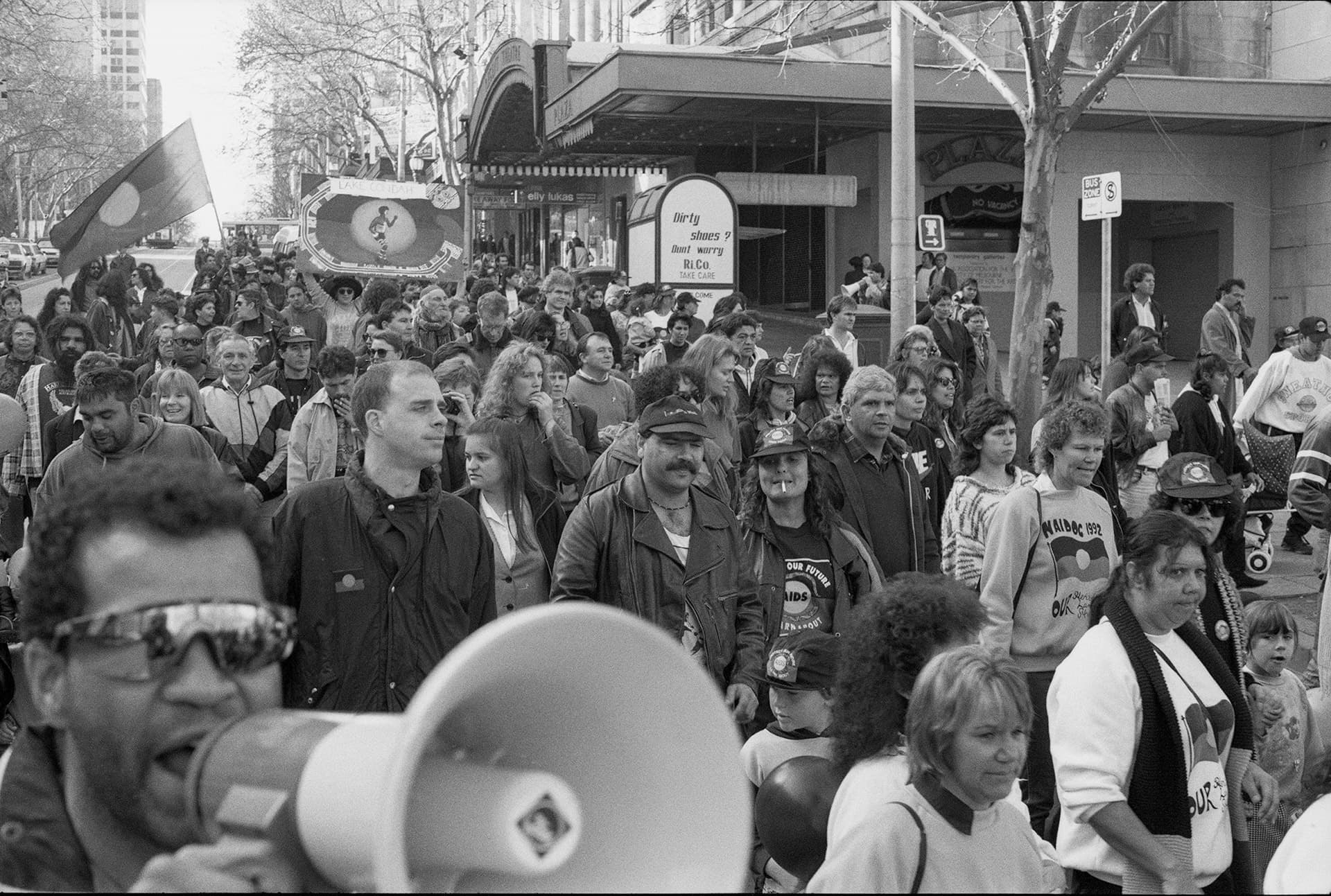
NAIDOC Week as we know it has a long history, evolving from a Day of Mourning protest on Invasion Day in 1938. It then shifted to being a cultural celebration on the first Sunday of July in the ‘50s, before eventually becoming a week-long celebration.
This years’ NAIDOC theme is 50 Years of Deadly – a tribute to the activists and Elders who built the movement, and the Community who’ve kept the momentum going. NAIDOC is and has always been for First Nations people.
To honour this theme, the Little Rocket team has put together a list celebrating some memorable First Nations achievements from the past five decades:
1970s
In 1974, the committee that organises NAIDOC – which the event is named after – became entirely First Nations-led. In 1975, NAIDOC officially became a week-long event, to run from the first Sunday to the second Sunday in July annually.
1980s
Inspired by the Wave Hill Walk-off in the ‘60s, many Anangu people returned to their Country and began lobbying for rights to their land. In 1985, Uluru was handed back to Anangu people and subsequently leased to the government as the Uluru-Kata Tjuta National Park.
1990s
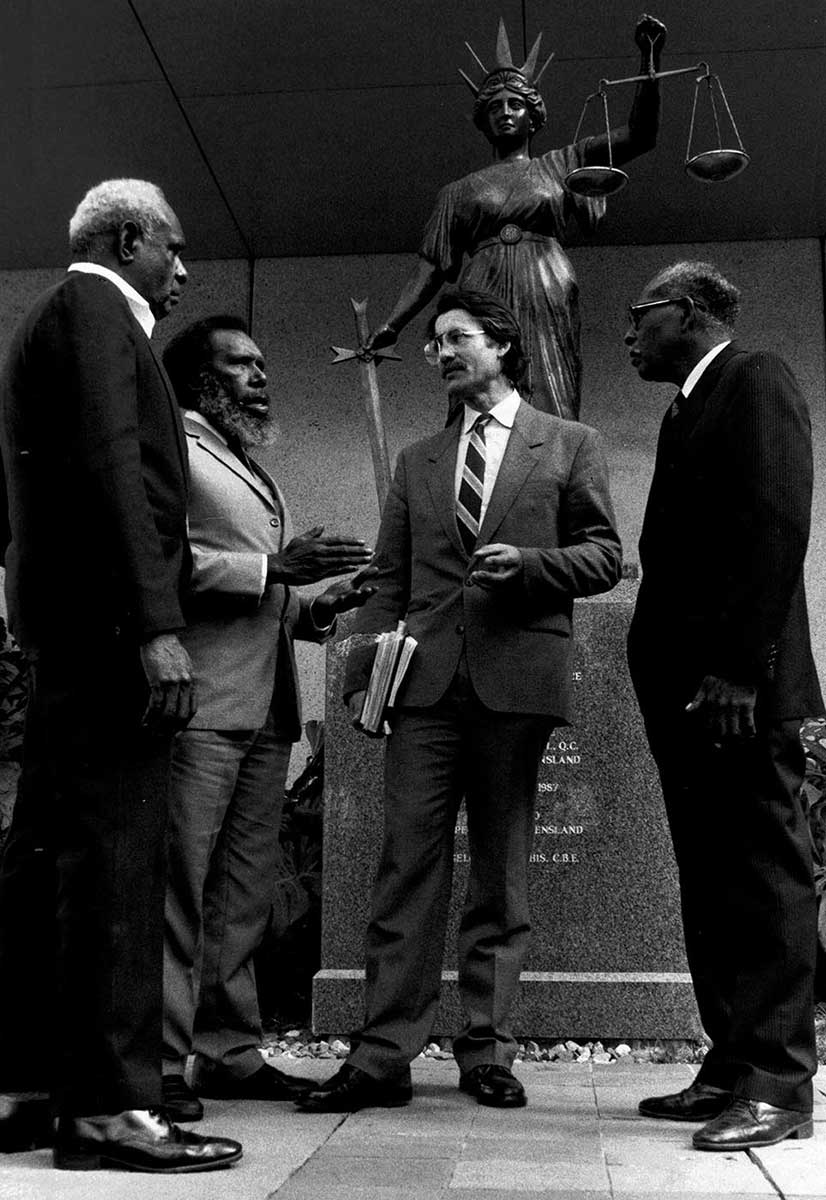
In 1991, hearings began for the Mabo v Queensland (No. 2) case. In 1992, the landmark High Court decision ruled in Mabo’s favour and overturned ‘terra nullius’, paving the way for the Native Title Act. This came after over a decade of advocacy led by Eddie Mabo.
2000s
At the 2000 Sydney Olympics, Kuku Yalanji and Birri Gubba woman Cathy Freeman lit the cauldron and won gold in the 400-metre sprint. Freeman was the first Aboriginal person to win an individual Olympic gold medal.
2010s
In 2018, Victoria made history as the first Australian state to pass Treaty legislation – the Treaty Act. In 2019, the First Peoples’ Assembly of Victoria’s first general member elections took place, appointing Geraldine Atkinson and Marcus Stewart Co-Chairs.
After years of negotiations, Victoria’s Treaty was signed in November 2025 and officially came into effect in December. In 2026, the movement for First Nations rights continues. Former Deputy Chair of the Yoorrook Justice Commission Travis Lovett led the National Walk for Truth, delivering an open letter to Prime Minister Anthony Albanese that demands a formal, federally-funded truth-telling process.
Of course, this list is non-exhaustive! Want to keep learning about First Nations milestones throughout history? You can start by reading this timeline from the National Museum of Australia.
Attributions
Image credit:
NAIDOC March c. 1992 – Maree Clark, Vivien Anderson Gallery via National Gallery of Victoria
Dave Passi, Eddie Mabo, barrister Bryan Keon-Cohen and James Rice outside the Queensland Supreme Court, 1989 – Jim McEwan, Yarra Bank Films via National Museum of Australia
About the author
Ruby Perryman,
Communications Manager
Ruby is Little Rocket’s writing and editing expert. She grew up in the remote East Kimberley and has an extensive background in the marketing and publishing industries, bringing a unique perspective to the team.