

Meet our ‘kings’ & ‘queens’
While polling suggests a majority of Australians don’t support a republic, a growing contingent feel conflicted about the royal family’s place in our country.
When King Charles III was crowned in 2023, Ngarrindjeri and Kaurna Elder Major ‘Moogy’ Sumner told the National Indigenous Times (NIT) that he respects the royal family, but doesn’t understand their place in Australia. “How did you become the king of this country? He’s the King of England,” Sumner said to NIT. In 2024, Victorian Senator Lidia Thorpe told the visiting monarch he was not her king.
In Aboriginal and Torres Strait Islander nations, leadership status is based on respect and service to the community, not monarchy.
“Understanding and acknowledging the kings and queens of First Nations in today’s environment seems needed more than ever as we pursue truth-telling and treaty,” said John Burgess, Gurindji man and Little Rocket founder.
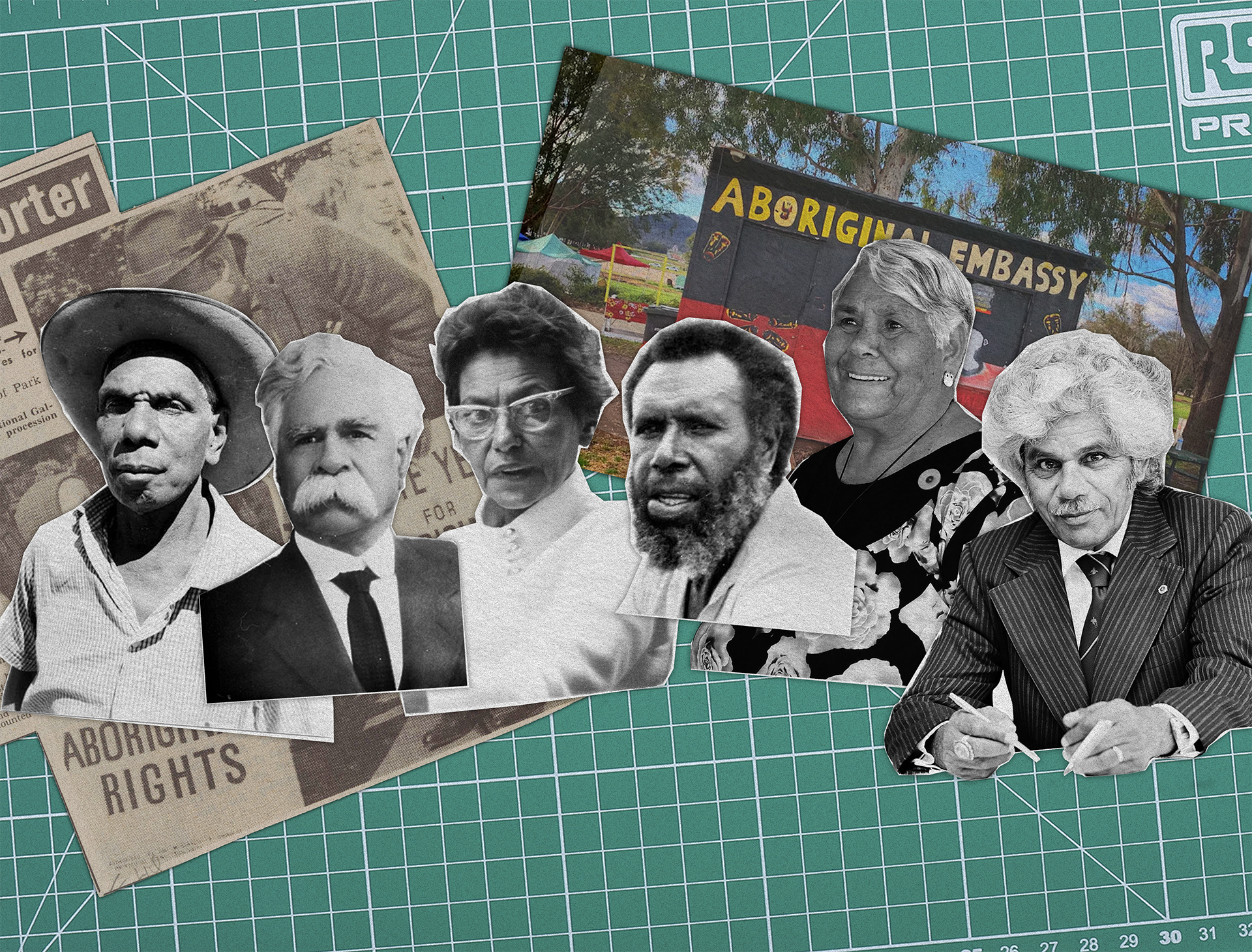
As we approach the King’s Birthday public holiday, here are some kings and queens we want to celebrate:
Vincent Lingiari
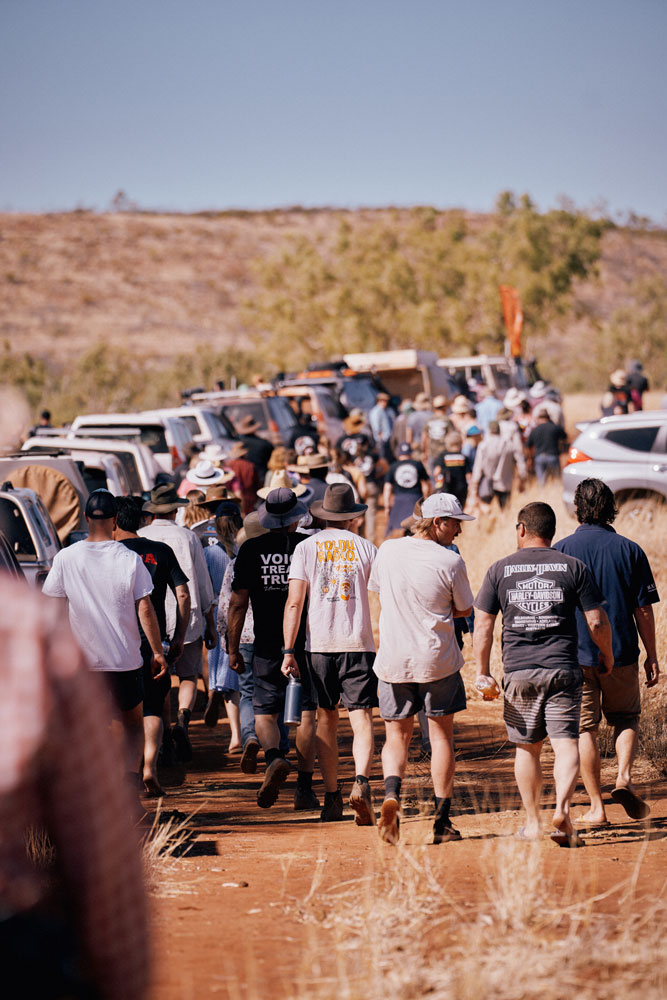
Vincent Lingiari, a Gurindji Elder, led the 1966 Wave Hill Walk-off. What started as a strike for better pay and conditions became a groundbreaking fight for land rights, leading to the return of Gurindji land and the establishment of the Aboriginal Land Rights Act. The image on the left of this webpage was taken at Freedom Day, an annual festival commemorating the walk-off.
William Cooper
William Cooper, a Yorta Yorta man, co-founded the Australian Aborigines’ League (AAL) in 1933. The AAL lobbied for First Nations rights, gathering around 2,000 signatures on a petition to King George VI demanding representation in federal parliament. In 1938, the AAL held the first protest in the world against the persecution of Jewish people.
Oodgeroo Noonuccal
Oodgeroo Noonuccal, a Noonuccal woman from North Stradbroke Island, was a celebrated poet, staunch environmental activist, and educator. She was the first Aboriginal person to publish a book of poetry, called We Are Going, in 1964. Among many things, Oodgeroo played a vital role in the campaign for the successful 1967 Constitutional Referendum.
Eddie Mabo
Eddie Mabo, a Meriam man from the Torres Strait, led the monumental legal challenge that successfully overturned ‘terra nullius’. This began with a land claim in 1982 and resulted in the historic 1992 High Court Mabo decision.
Dr Lowitja O’Donoghue
Lowitja O’Donoghue, Yankunytjatjara, was the first Aboriginal woman to receive an Order of Australia, the first chairperson of the Aboriginal and Torres Strait Islander Commission, and the first Aboriginal person to address the United Nations. She advocated for First Nations health, welfare and constitutional recognition. She was Australian of the Year in 1984.
Neville Bonner
Neville Bonner, a Jagera man, was Australia’s first Aboriginal politician. He served as a Senator for Queensland from 1971 to 1983, advocating for better rights and conditions for First Nations people. Neville paved the way for future First Nations political representation.
Image credit:
Vincent Lingiari – Public domain
William Cooper – Public domain via Wikimedia Commons
Oodgeroo Noonuccal – State Library of New South Wales via Wikimedia Commons
Eddie Mabo – James Cook University
Lowjita O’Donaghue – Bahudhara via Wikimedia Commons
Neville Bonner – National Archives of Australia via Wikimedia Commons
About the author
Ruby Perryman,
Communications Manager
Ruby is Little Rocket’s writing and editing expert. She grew up in the remote East Kimberley and has an extensive background in the marketing and publishing industries, bringing a unique perspective to the team.